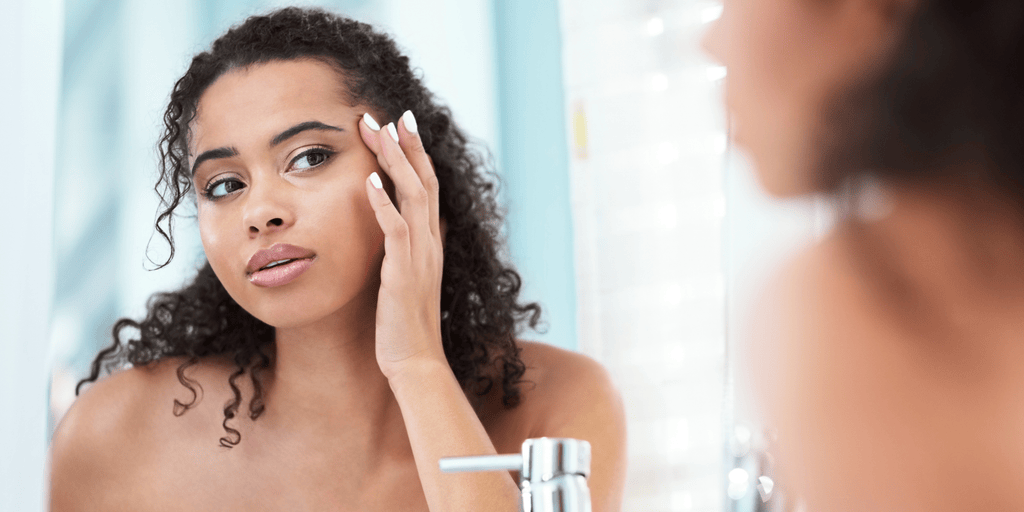
Chemical peel or Botox for fine lines: how to decide
Should I get a chemical peel or Botox for fine lines? It’s one of the most common questions we hear at AURSPA, and it deserves a more precise answer than most people receive. The crow’s feet that deepen every time you smile are fundamentally different from the shallow surface lines left by years of sun exposure, and the treatment that erases one does very little for the other. Choosing between a chemical peel and Botox for fine lines is a real clinical decision, not a matter of personal preference or guesswork.
At AURSPA, we consult on both treatments daily. We see exactly which clients walk out thrilled with Botox, which ones needed a peel series to see the change they were looking for, and which ones needed both. That firsthand experience shapes everything in this article. By the time you finish reading, you’ll have a clear picture of which treatment fits your specific concern, what recovery actually looks like, and what to bring up when you sit down with a provider.
How these two treatments actually work on your skin
Botox and chemical peels reduce fine lines through completely different biological pathways. One works beneath the skin’s surface; the other renews the surface itself. Understanding that difference is the only way to make a confident, informed choice between them, and it’s what makes the chemical peel vs. Botox question more useful than a simple either/or.
What Botox does beneath the surface
Botox is a purified neurotoxin that blocks the nerve signal telling a specific facial muscle to contract. When the muscle can no longer move fully, the skin above it stops folding into a crease. Results typically become visible within a few days to two weeks after injection, and the effect generally lasts three to six months before the muscle gradually regains activity. This is a temporary, repeatable injectable wrinkle treatment with no impact on the skin’s surface quality.
How a chemical peel renews skin from the outside in
A chemical peel works entirely differently. Acids like glycolic acid or trichloroacetic acid (TCA) are applied to the skin’s surface, where they dissolve the outer damaged layers in a controlled way. As those layers shed, the skin beneath generates fresh, smoother cells and begins remodeling its collagen. The depth of the peel determines how much exfoliation occurs: a superficial glycolic peel stays within the epidermis and produces gradual, mild improvement, while a medium-depth TCA peel reaches the papillary dermis for more noticeable resurfacing and smoothing.
Should I get a chemical peel or Botox for fine lines? Start here.
The distinction between dynamic and static lines is the single most useful tool for narrowing down the right treatment. Most people come in knowing they have “fine lines” without realizing those lines fall into distinct categories that respond very differently to neurotoxin vs. skin resurfacing approaches.
Dynamic wrinkles: where injectable treatment wins
Dynamic wrinkles appear when your face moves and are caused by the underlying muscle creating a fold in the skin above it. Forehead lines, the “11s” between the brows, and crow’s feet at the outer corners of the eyes are the clearest examples. These wrinkles deepen over time because the folding happens hundreds of times a day. Botox interrupts that cycle by preventing the muscle from contracting fully, allowing the skin to stay smooth. It does not improve skin texture, tone, or surface quality in any meaningful way.
Surface lines and texture: where skin resurfacing excels
Shallow lines caused by sun exposure, skin thinning, and cumulative environmental damage live in the skin’s outer layers rather than in the muscles beneath. A chemical peel targets these directly. Someone with rough texture, uneven skin tone, dullness, or mild photodamage will see far more improvement from a peel than from a neurotoxin injection. A superficial glycolic peel handles mild texture and brightening concerns well. For more visible surface wrinkling and moderate sun damage, a medium-depth TCA peel delivers stronger, more noticeable resurfacing with lasting improvement that can extend several months.
What to realistically expect from results and recovery
Recovery is often the deciding factor for clients with demanding schedules. Both treatments carry downtime, but the type and length differ significantly.
Recovery timelines and how long results last
Botox recovery is minimal. Most clients return to their normal routine immediately after treatment, with some bruising at the injection site lasting about a week if it occurs at all.
Chemical peel recovery depends entirely on depth. A superficial peel typically means a few days of redness and light flaking, with a single treatment producing subtle results. A series of superficial peels, usually spaced two to four weeks apart, builds meaningful cumulative improvement. A medium-depth TCA peel produces more visible peeling and healing over about a week, but the results are also considerably stronger, noticeable line softening and skin renewal that can last several months from a single treatment.
Skin tone and safety considerations
This is a clinically important conversation that providers should be having with every client. Botox carries consistent safety and effectiveness across all skin tones, with no additional precautions required based on Fitzpatrick skin type. Chemical peels require more nuance. Darker skin tones (Fitzpatrick IV through VI) carry a higher risk of post-inflammatory hyperpigmentation (PIH), particularly with medium and deeper peel depths. For clients with medium to deep skin tones, superficial peels with conservative technique, proper pre-peel priming, and strict sun protection represent the more clinically appropriate path. A provider experienced in treating skin of color will tailor peel selection to each individual rather than applying a uniform protocol.
When combining Botox and a chemical peel is the smarter move
Many clients don’t have one problem. They have crow’s feet that deepen when they smile and a skin surface that looks dull, rough, and uneven regardless of expression. Neither treatment alone will fully address both concerns, which is exactly where the chemical peel vs. Botox conversation shifts to a chemical peel and Botox conversation.
Why timing between these treatments matters
The combination approach is well-established in med spa practice, but sequencing matters. In standard clinical practice, providers sequence Botox first, then the peel after an appropriate wait. For superficial peels, waiting roughly one week after Botox injections is generally sufficient. For medium-depth peels, the recommended gap extends to two to six weeks to allow the injection sites to settle and reduce any risk of irritation affecting the healing process. If you’re scheduling a peel before Botox, the skin must be fully healed, free of redness, crusting, or active peeling, before injections follow. Never combine a medium or deep peel with Botox in the same appointment without provider guidance specific to your skin.
Who genuinely benefits from the combination approach
The ideal combination candidate has both movement-driven expression lines and surface texture concerns. Think: forehead lines that appear with animation plus skin that looks dull, rough, or sun-damaged at rest. The combination also makes sense for clients whose static lines have deepened beyond what Botox alone can correct. When a wrinkle is visible even while the face is completely relaxed, the muscle is no longer the only factor. Resurfacing the skin’s outer layers while also reducing muscle activity addresses both contributors at once, producing a more complete result than either treatment could deliver independently.
Patient factors that shape the right recommendation
A good provider doesn’t start with a treatment menu. They start with you: your wrinkle type, skin quality, health history, and realistic expectations.
What your wrinkle type and skin quality reveal
The first filter is always wrinkle type. If your lines appear or worsen with expression, a neuromodulator like Botox is the primary tool. If your lines are surface-level and visible at rest because of sun damage or skin thinning, a peel addresses the concern more directly. Wrinkle depth is the second filter. Fine, active expression lines respond well to Botox alone. Deeper lines that have settled into the skin at rest often call for a broader plan that may include resurfacing, fillers, or both.
Medical history and contraindications to know before booking
For Botox, key contraindications include pregnancy, breastfeeding, certain neuromuscular disorders, and active skin infection or inflammation at the planned injection site. Allergy to any botulinum toxin ingredient also rules out treatment. For chemical peels, providers will ask about your skin healing history and current medications, retinoids and blood thinners both affect peel safety and require timing adjustments. Providers will also ask about recent sun exposure and active skin conditions like rosacea or eczema. Knowing this before your appointment means you arrive prepared and the consultation moves efficiently toward an actual plan.
Why a professional consultation changes everything
Whether a chemical peel or Botox is the right call for your fine lines is a genuinely personal question, one that depends on factors no article can assess from the outside. A consultation with a qualified provider does exactly that: evaluates your wrinkle pattern, skin quality, tone, and health history in person and builds a recommendation around what you actually have, not what you came in thinking you needed.
What a dual med spa consultation actually looks like
At a dual-format med spa, a provider evaluates your wrinkle type, skin texture, tone, and health history in a single visit and recommends either a standalone treatment or a sequenced combination plan. Most consultations run under thirty minutes and end with a concrete plan. That’s different from a Botox-only clinic that isn’t equipped to assess whether a peel would serve you better, or a traditional day spa that doesn’t offer injectables at all. The advantage of consulting somewhere that offers both is that the recommendation isn’t shaped by what’s available, it’s shaped by what actually fits your concern.
Booking your consultation at AURSPA
AURSPA in Oakleaf and Orange Park offers both professional chemical peels and Botox under one roof, with medically supervised consultations designed to help clients identify the right approach for their specific concerns. Whether you’re dealing with crow’s feet that deepen with every smile, surface lines left by years of sun exposure, or a combination of both, our team can walk you through what each treatment targets, what to expect from recovery, and how a sequenced plan might deliver better results than either option alone. Reach out to our team to schedule your consultation and get a personalized plan built around your skin.
Bringing it all together: choosing between a chemical peel vs. Botox for fine lines
The decision comes down to one foundational question: what is actually causing your lines? Botox is the right tool for expression-driven, dynamic wrinkles, forehead lines, frown lines, and crow’s feet. A chemical peel is the right tool for shallow surface lines, uneven texture, and the kind of skin quality changes that muscle relaxation can’t touch. Many clients benefit from both, and when that’s the case, sequencing and timing make all the difference.
The right answer is personal, not universal. If you’ve been asking yourself whether to get a chemical peel or Botox for fine lines, a consultation with a qualified provider who works with both treatments daily is your clearest next step. That conversation gives you something no article can: a recommendation built around your skin, your schedule, and your goals.
Frequently asked questions
Should I get a chemical peel or Botox for fine lines first?
If you’re planning to do both, most providers recommend Botox first. Allow roughly one week before a superficial peel, or two to six weeks before a medium-depth TCA peel. This sequencing protects the injection sites and gives each treatment the conditions it needs to work effectively.
How much does each treatment cost?
Botox is typically priced per unit, with treatment areas ranging from roughly $200 to $600 depending on the number of units used. Superficial chemical peels generally run $100 to $250 per session, while medium-depth TCA peels can range from $300 to $600 or more. Pricing varies by provider and location, your consultation at AURSPA will include a clear cost breakdown based on your specific plan.
Can Botox fix surface lines caused by sun damage?
No. Botox relaxes muscles to reduce expression-driven wrinkles. It has no effect on lines caused by sun damage, skin thinning, or texture changes. Those concerns require skin resurfacing through a chemical peel or similar treatment.
Is a chemical peel safe for darker skin tones?
Superficial peels with appropriate technique and pre-peel priming can be used safely on darker skin tones. Medium and deeper peels carry a higher risk of post-inflammatory hyperpigmentation in Fitzpatrick IV through VI skin and require an experienced provider. Always disclose your full skin history during the consultation.
You May Like
Filler vs. Botox for Your Face: A Complete Comparison
When the question "Are you thinking Botox or fillers?" comes up in a consultation room, most first-time injectable clients go quiet. The confusion is easy to understand, but the answer is simpler than most people
How Long Does Botox Last? Expert Tips to Extend Your Results
Did you know that Botox injections have skyrocketed by 878% since 2000, making it the most popular minimally invasive cosmetic procedure in America? It's true! In today's beauty-conscious world, Botox isn't just reserved for celebrities