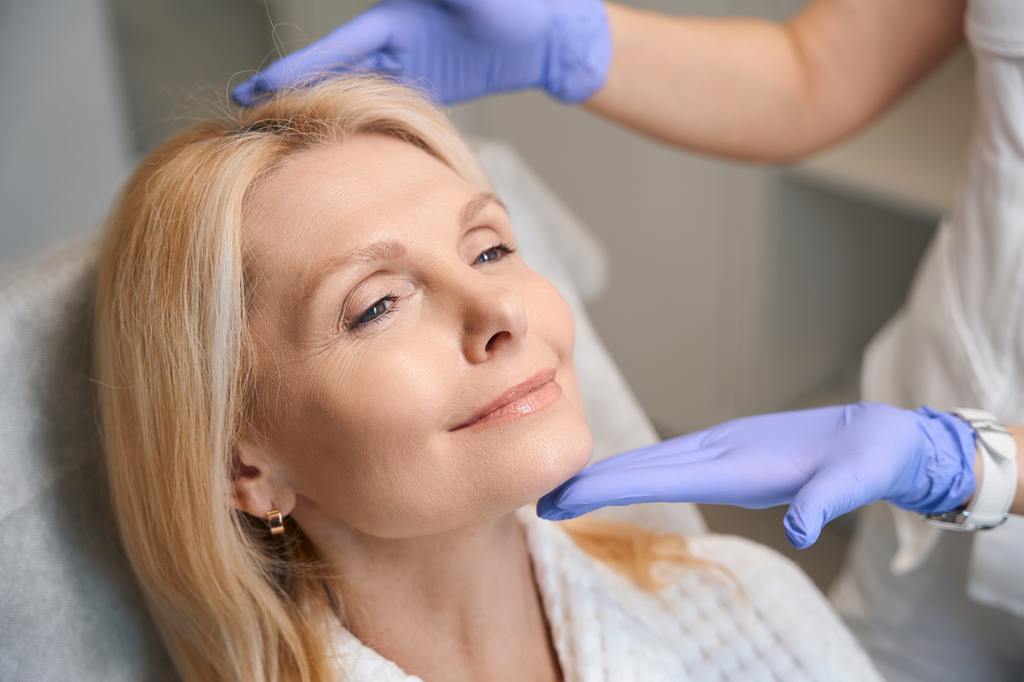
Filler vs. Botox for Your Face: A Complete Comparison
When the question “Are you thinking Botox or fillers?” comes up in a consultation room, most first-time injectable clients go quiet. The confusion is easy to understand, but the answer is simpler than most people expect. Comparing filler vs. Botox for your face comes down to one core difference: these two treatments solve fundamentally different problems, and once you understand the mechanism behind each one, the decision becomes far less overwhelming. At AURSPA, our med spa serving the Oakleaf, Orange Park, and Fleming Island corridor near Jacksonville, it’s one of the most common questions our providers hear. Here’s the full comparison you need before you book anything.
How Botox and Dermal Fillers Work Differently
Botox is a neuromodulator, it temporarily blocks nerve signals to targeted facial muscles. When a muscle can’t contract fully, the skin above it stops creasing as deeply with every expression. That’s how it smooths forehead lines, frown lines, and crow’s feet. Botox adds no volume; it reduces movement, and that distinction is the entire foundation of this comparison.
Dermal fillers operate on a completely different principle: they physically restore volume beneath the skin. Hyaluronic acid fillers, such as Juvederm and Restylane, attract and bind water molecules in the tissue, plumping the area from within and producing visible results almost immediately.
One sentence cuts through the complexity: Botox relaxes movement; fillers restore volume. That single distinction is the decision-making shortcut that makes everything else click.
Filler vs. Botox for Face: Which Treats Which Areas?
Upper Face (Botox)
The upper face is where neuromodulator treatments consistently deliver their clearest, most predictable results. Horizontal forehead lines, glabella frown lines between the brows (the “11s”), and crow’s feet around the eyes are all dynamic wrinkles, they form because of repeated muscle movement over years of expression. Relaxing those muscles is exactly what Botox is designed to do. Treating two or three upper-face areas in one session tends to produce a more natural, balanced outcome than spot-treating a single area in isolation, a pattern supported by clinical practice guidelines on combined-area neuromodulator treatment. Providers also use Botox for a subtle brow lift and the popular lip flip, which relaxes the muscle just above the upper lip to create a slightly more visible lip border without adding any volume.
Mid and Lower Face (Fillers)
The mid and lower face tell a different story. Cheek and midface hollowing, nasolabial folds, marionette lines, lip volume, under-eye hollows, and jawline definition all involve structural volume loss rather than overactive muscles. As collagen diminishes and facial fat pads shift with age, the face loses its scaffolding. Hyaluronic acid fillers like Juvederm Voluma or Restylane Lyft rebuild that lost support in the cheeks and midface. Thicker structural fillers like Radiesse work especially well along the jawline and cheeks because they provide immediate volume and continue stimulating collagen long after the initial treatment.
Areas That Benefit from Both
Some areas call for a combined approach. The perioral zone around the mouth and the lower cheeks often develop a combination of muscle-driven creasing and volume loss simultaneously, particularly in clients past their mid-30s. This is the foundation of what’s often called a liquid facelift: a coordinated injectable plan that uses neuromodulators in the upper face and facial volume restoration with fillers in the mid and lower face, addressing both categories of aging in one treatment plan rather than leaving one unaddressed.
How Long Results Last
Botox results typically appear within 3 to 7 days, reach their full effect around the 10- to 14-day mark, and last roughly 3 to 4 months before the muscle gradually regains its normal activity. Most clients return for maintenance sessions three to four times per year.
Dermal filler pricing and longevity vary significantly by product type and placement. Duration ranges from about 6 to 12 months in the lips, a high-movement area, up to 18 to 24 months in the cheeks, where thicker products like Juvederm Voluma XC are specifically formulated for longer wear. Radiesse, the calcium hydroxylapatite option, commonly lasts 12 to 18 months in structural areas like the cheeks and jawline, with some patients seeing results closer to two years. PLLA fillers sit at the longest end of the spectrum, with results that can persist two years or more because the treatment builds your own collagen rather than simply adding foreign volume.
Side Effects and Risks You Should Know Before Booking
Both Botox and dermal fillers share a predictable set of injection-site reactions that most clients experience in the first 24 to 72 hours: mild redness, localized swelling, bruising, and tenderness at the treatment site. These responses are common, typically resolve within a few days, and are not considered complications. Botox may also cause a temporary headache in some clients; filler areas can feel slightly firm or tender for one to two weeks as post-treatment swelling settles. That said, if any symptom persists, worsens, or feels severe, contact your provider promptly for an assessment.
The rare but serious risks are where the two treatments diverge, and provider selection becomes critical. With Botox, uncommon risks include temporary eyelid or brow drooping if the toxin migrates slightly from the target muscle, and in extremely rare cases, effects related to toxin spread beyond the intended area. With fillers, the most serious risk is vascular occlusion: filler inadvertently introduced near a blood vessel can obstruct circulation, potentially causing tissue damage or, in severe cases involving vessels near the eye, vision complications. This risk is real but rare, and it underscores why choosing a qualified, anatomically trained injector is the single most consequential decision you make in this process.
One meaningful distinction: hyaluronic acid fillers are reversible. If a complication occurs or you simply don’t love the result, hyaluronidase can dissolve the filler relatively quickly, though timing and completeness of reversal can vary. Radiesse and PLLA fillers do not have a direct reversal agent and must dissipate naturally over time, which is worth factoring into your decision if you’re new to injectables.
When Combining Both Treatments Gives You the Best Result
Most faces dealing with visible aging past 35 are managing two things at once: muscle-driven creasing in the upper face and structural volume loss in the mid and lower face. Treating only one concern while leaving the other visible tends to produce results that look incomplete or subtly off. A combined approach that pairs neuromodulator treatments in the upper face with facial volume restoration in the cheeks, folds, and jawline produces the most cohesive, natural-looking rejuvenation because it addresses the actual anatomy of how faces age, not just the most obvious line.
Before committing to either treatment, ask your provider these specific questions:
- “Is this line caused by muscle movement, volume loss, or both?” The answer determines the treatment.
- “How many units or syringes do you recommend for my concern, and why?”
- “What’s the reversal option if I don’t love the result?”
- “How will you sequence the treatments if we’re combining Botox and fillers in the same session?”
At AURSPA, our providers work through exactly this conversation with every client before a single unit or syringe is discussed. The consultation isn’t a formality, it’s where the real treatment planning happens. Our environment is designed to feel genuinely welcoming rather than clinical, so you can take your time and ask every question you came in with.
The Bottom Line on Filler vs. Botox for Your Face
When deciding between filler vs. Botox for your face, the framework is straightforward: Botox relaxes muscle movementin the upper face; fillers restore lost volume in the mid and lower face. Combining both, when the assessment supports it, typically produces the most balanced and natural-looking result. No amount of reading replaces a hands-on consultation with an experienced provider who can assess your face in person, examine your skin quality, and walk you through the options that make the most sense for your specific anatomy and goals.
For clients in the Jacksonville area, including Orange Park, Oakleaf, and Fleming Island, AURSPA is the natural next step. Our team brings clinical precision together with a warm, unhurried approach, so you leave your consultation with a real treatment plan tailored to you. Ready to get a personalized recommendation? Book your consultation with AURSPA today.
You May Like
Chemical peel or Botox for fine lines: how to decide
Should I get a chemical peel or Botox for fine lines? It's one of the most common questions we hear at AURSPA, and it deserves a more precise answer than most people receive. The crow's
Master Advanced Injector Techniques with AURSPA & Face Body Plus Teaching
Elevate Your Career in Aesthetics Are you looking for advanced aesthetics training in an environment where you will actually work? At AURSPA & Face Body Plus Teaching, you train inside a working luxury med spa,