
How Long Do Dermal Fillers Last Compared to Botox?
Botox treatments typically last about 3–4 months. Many hyaluronic acid dermal fillers last approximately 6–12 months, while other filler materials can provide longer-lasting results. The main difference is how they work: Botox temporarily relaxes targeted muscles, while fillers add volume or support facial contours.
These are general expectations, not guaranteed timelines. The product, treatment area, and your individual response all matter. The American Academy of Dermatology describes botulinum toxin results as lasting about 3–4 months, while the FDA’s filler guidance explains that longevity varies by filler material.
If you are comparing injectables in Middleburg, Orange Park, or Oakleaf, understanding what each treatment does is just as important as knowing how long it lasts.
What Is the Difference Between Botox and Dermal Fillers?
Botox and dermal fillers are injectable treatments, but they address different concerns.
Botox reduces targeted muscle activity
Botox Cosmetic is a brand of botulinum toxin used to temporarily reduce activity in selected muscles. This can soften the appearance of expression lines associated with movements such as frowning, smiling, or raising your eyebrows.
Common cosmetic treatment areas include frown lines between the eyebrows, forehead lines, and crow’s feet.
Botox does not add volume to the lips or cheeks. Other wrinkle-relaxing products, including Xeomin and Jeuveau, belong to the same broad treatment category but are distinct products. Your provider should explain which product is being recommended and why.
Dermal fillers add volume and shape
Dermal fillers are injected into selected tissues to create a fuller or smoother appearance. Depending on the product and its approved use, they may be considered for lip enhancement, cheek volume, chin contour, or certain facial folds.
Hyaluronic acid, often shortened to HA, is one common filler material. Other fillers use different materials and may also support collagen production.
Fillers do not relax facial muscles in the same way Botox does. A consultation helps determine whether your concern involves muscle movement, volume loss, skin quality, or a combination. Learn more about dermal fillers from the FDA.
Botox vs. Fillers at a Glance
| Feature | Botox and similar wrinkle relaxers | Dermal fillers |
|---|---|---|
| Main purpose | Reduce targeted muscle activity | Add volume, improve contour, or soften selected folds |
| Common concerns | Expression lines | Volume loss, lip shape, and certain facial folds |
| Typical duration | About 3–4 months for many treatments | Often 6–12 months for HA fillers; other materials can last longer |
| When changes appear | Develop over several days | Often visible promptly with gel fillers; collagen-stimulating treatments develop gradually |
| Maintenance | Reassessment as movement and lines return | Reassessment based on the product, remaining effect, and treatment goals |
Timelines vary. The AAD’s filler FAQs explain that some fillers produce prompt changes, while others work gradually.
How Long Do Dermal Fillers Typically Last?
“Dermal filler” describes a category of treatments rather than one product with one lifespan.
The FDA provides these general estimates by material:
- Hyaluronic acid: approximately 6–12 months.
- Calcium hydroxylapatite: approximately 18 months.
- Poly-L-lactic acid: effects may last up to two years and develop gradually through a treatment series.
These estimates describe broad material categories. They do not mean every filler is appropriate for every facial area, or that every patient will experience the same duration. Ask your provider about the specific product and treatment area rather than relying on a general range. Source: FDA-approved dermal filler materials.
A longer-lasting product is not automatically the best choice. Suitability, expected appearance, and safety should come first.
How Long Does Botox Typically Last?
For cosmetic wrinkle treatment, Botox commonly provides improvement for about three to four months, although results can last longer in some people.
The effect develops gradually rather than appearing immediately. As the treatment wears off, muscle activity returns and expression lines may become more noticeable again. Your provider can help you decide when reassessment is appropriate. Source: AAD botulinum toxin FAQs.
An estimated duration is not an automatic appointment schedule. Follow-up timing should account for your response, the product used, and your provider’s recommendations.
Why Do Results Last Longer for Some People?
Several factors influence the duration and appearance of results:
The product selected. Different filler materials and wrinkle relaxers have different characteristics.
The treatment area. Results in one area should not be assumed to last as long as results in another.
Your anatomy and treatment plan. Tissue structure, muscle activity, and the amount used affect treatment decisions.
Your individual response. People do not all respond identically, even when they receive the same product.
Ask your provider to distinguish between the duration of visible improvement and the right time to consider another treatment. Avoid automatically adding more filler simply because a certain number of months has passed.
Is Botox or Filler Better for Your Goals?
The right choice depends on what you want to address.
If your main concern is a line that becomes more noticeable when you frown or raise your eyebrows, a wrinkle relaxer may be considered. If your concern is reduced cheek fullness or lip volume, a filler may be more relevant.
Neither treatment addresses every cause of facial aging. Skin texture, discoloration, and laxity may call for a different approach.
Some people may be candidates for a combination plan because muscle movement and volume loss are separate concerns. That decision requires an individual assessment; you do not automatically need both.
What Should You Know About Safety?
Both treatments are medical procedures and should be performed by an appropriately licensed healthcare professional with relevant training.
Filler side effects can include swelling, bruising, tenderness, and lumps. Rare but serious complications can occur if filler enters a blood vessel, including tissue damage, blindness, or stroke. Removing filler can also be difficult, particularly with some non-HA products. Review the FDA’s filler safety information.
Botulinum toxin injections can cause bruising, soreness, headache, or temporary eyelid or brow drooping. Rare serious symptoms, including difficulty breathing or swallowing, require immediate medical attention. Review the AAD’s botulinum toxin guidance.
Before treatment, discuss your medical history, medications, previous injectables, and any pregnancy or breastfeeding considerations. Ask about the exact product, expected benefits, risks, and follow-up plan.
Explore Fillers and Wrinkle Relaxers at AURSPA
AURSPA offers information about dermal and lip fillers and Botox, Xeomin, and Jeuveau wrinkle treatments for people exploring aesthetic care in the Middleburg, Orange Park, and Oakleaf area.
Our Middleburg med spa is located at 1658 Corsair Lane, Suite 503, Middleburg, FL 32068.
A consultation is an opportunity to discuss what you would like to change, review suitable options, and understand realistic maintenance expectations.
Call AURSPA at (904) 524-8256 to arrange a consultation and explore a treatment plan suited to your goals.
Frequently Asked Questions
Do fillers last longer than Botox?
Many temporary fillers provide longer-lasting visible results than the typical three-to-four-month Botox treatment. However, longevity varies by product, treatment area, and individual response. Longer duration does not make one treatment suitable for the other’s purpose.
Is Botox a dermal filler?
No. Botox temporarily reduces targeted muscle activity. Dermal fillers add volume or support facial contours. They are different treatments with different uses.
Does Botox make your lips fuller?
Botox does not add lip volume. A lip flip changes how part of the upper lip sits by relaxing selected muscles; lip filler adds volume. These procedures have different goals and require separate suitability assessments.
Are all dermal fillers temporary?
No. Most commonly discussed fillers are absorbable, but permanent filler materials also exist. Ask which material is being proposed and how difficult it would be to reduce or remove it. Permanent fillers are not interchangeable with temporary options.
Should I choose a treatment based on how long it lasts?
Duration is one consideration. The more important questions are whether the treatment addresses your concern, whether you are a suitable candidate, and whether you understand its risks and maintenance needs.
You May Like

What Are the Benefits of Aerolase Laser Facials Compared to Other Laser Treatments?
Choosing a laser facial involves more than finding a treatment with impressive before-and-after photos. Your skin concerns, skin tone, comfort preferences, and recovery schedule all matter. Aerolase Neo Elite’s main advantages are its versatility, suitability
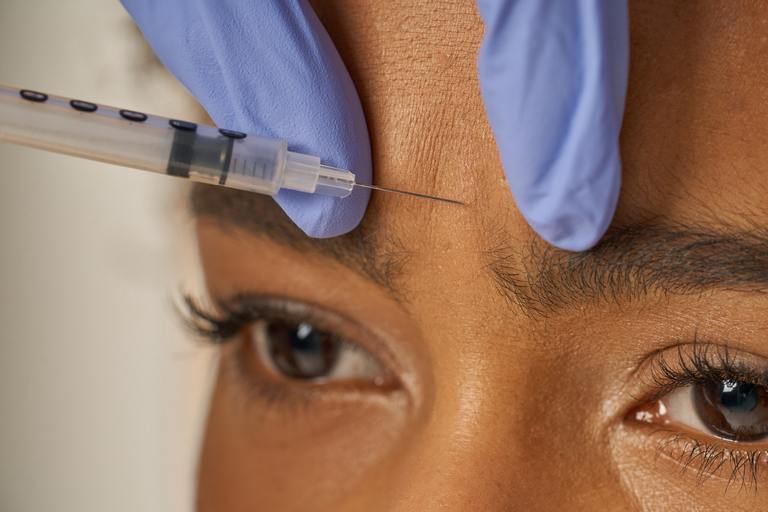
Get Summer-Ready at Aurspa in Middleburg with Botox & Fillers
Summer is almost here and if you're planning getaways, outdoor events, or simply want to feel confident in your own skin, now is the perfect time to refresh your look with Botox and Dermal Fillers at Aurspa in Middleburg.