
HydraFacial vs. Facial: What Your Skin Actually Needs
Most clients arrive with the same question. They’ve had regular facials for years, they’ve seen HydraFacial advertised everywhere, and they genuinely don’t know which one is actually worth booking next. That confusion makes sense, because the HydraFacial vs. facial conversation isn’t just about price or hype. It comes down to your skin type, your timeline, and what you actually want to walk out looking like. At AURSPA, where we offer both treatments under one roof, this is the most common question we get from new and returning clients alike. Use this breakdown to find your answer before you book.
HydraFacial vs. Facial: How Each Treatment Works
Before you can pick the right treatment, you need to understand what each one actually does to your skin. The mechanics are genuinely different, and that difference determines your results.
The HydraFacial process from start to finish
A HydraFacial follows a standardized, device-driven four-step protocol. The treatment begins with cleansing and exfoliation to sweep away dead skin cells, then moves into a mild glycolic and salicylic acid peel to loosen debris inside the pores. Next, a vortex suction tip extracts congestion without manual pressure.
The final step infuses serums directly into the skin, typically hyaluronic acid, peptides, and antioxidants selected based on your booster choice. The entire appointment runs about 30 to 45 minutes, and the device does the heavy lifting throughout. Results are consistent session to session because the protocol doesn’t change based on who is operating the machine.
What happens during a traditional facial
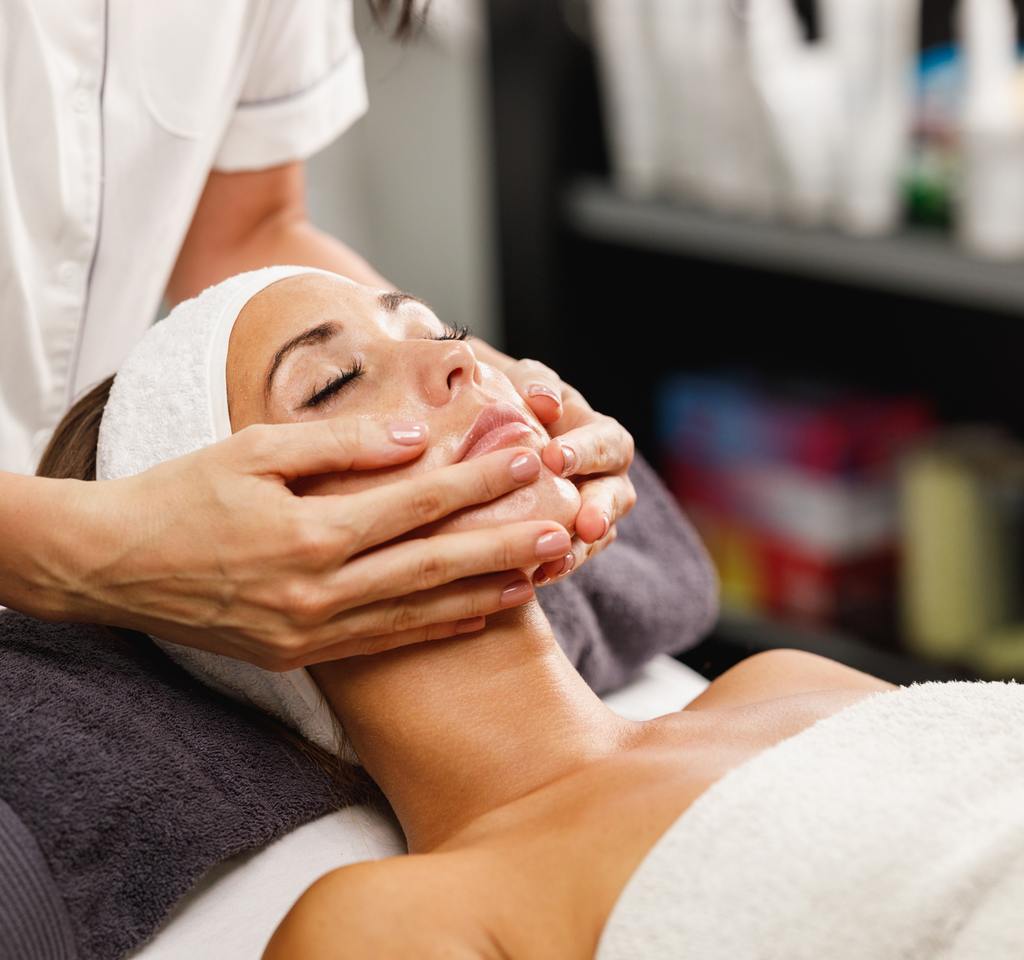
A traditional facial is an esthetician-led, hands-on experience that typically runs 60 to 90 minutes. Your provider starts with a skin analysis, then works through cleansing, steaming, exfoliation (with a scrub, enzyme, or mild peel), manual extractions, a targeted mask, facial massage, and a finishing moisturizer. What makes traditional facials so different from one another is the degree of customization built into every step: the esthetician selects products and techniques based on what your skin shows that day, and the experience varies significantly by provider skill and product quality.
Device-driven versus hands-on care
The core philosophical difference between a HydraFacial vs. a traditional facial is consistency versus customization. HydraFacial delivers a reliable, technology-guided result every time, regardless of which location you visit. A traditional facial can be deeply tailored to your exact skin on a given day, but it is only as good as the esthetician performing it and the products behind it. Neither approach is universally superior. Each one has a clear purpose, and knowing which purpose matches your needs right now is what determines which one belongs on your schedule.
Which Skin Concerns Each Treatment Addresses Best
This is where the HydraFacial vs. facial comparison gets personal. Both treatments can improve your skin, but they do it through different mechanisms and with different strengths.
Congestion, oiliness, and active breakouts
For clients dealing with congestion, enlarged pores, or mild-to-moderate acne, HydraFacial has a meaningful clinical edge. A published 12-week study following patients with active acne vulgaris showed statistically significant improvement in acne severity after a series of HydraFacial Clarifying Treatments, with visible results appearing after the very first session. The vortex suction extraction is gentler and more consistent than manual extractions, which means less inflammation and irritation on already-reactive skin. Traditional facials with manual extractions can absolutely be effective for congestion, but they tend to be more uncomfortable on inflamed skin, and the outcome depends heavily on how aggressively the extraction is performed.
Anti-aging, fine lines, and deep hydration
HydraFacial’s serum infusion step gives it a clear advantage for immediate radiance and hydration. Boosters like DermaBuilder (a peptide complex targeting elasticity) and ReGen Growth Factor (designed to support collagen and elastin production) address specific aging skin concerns. That said, the clinical evidence for HydraFacial’s long-term impact on fine lines remains limited. Results tend to be short-term: the immediate glow peaks at around five to seven days, with broader skin benefits lasting four to six weeks. Traditional facials that incorporate facial massage and targeted masks improve circulation and skin tone, but they are not a substitute for medical-grade anti-aging treatments like Botox or dermal fillers when structural change is the goal.
Sensitive or rosacea-prone skin
Neither treatment is automatically safe for reactive skin, and honesty matters more than reassurance here. HydraFacial’s suction and exfoliation steps can trigger flare-ups in clients with active rosacea or eczema-prone skin; the stimulation that makes it effective for most people is precisely what makes it risky for highly reactive ones. Manual extractions carry their own friction risks, and pressure on inflamed capillaries can worsen rosacea symptoms significantly. Standard guidance from dermatology, including recommendations consistent with American Academy of Dermatology (AAD) guidelines on rosacea management, points to avoiding heat, abrasive techniques, and strong exfoliants on reactive skin. The right path is a consultation before any booking, not a guess at the treatment counter.
Downtime and What to Expect After Each Treatment
If you have an event on the calendar, this section matters. Both treatments can cause short-term skin reactions, and timing is worth planning around.
After a HydraFacial
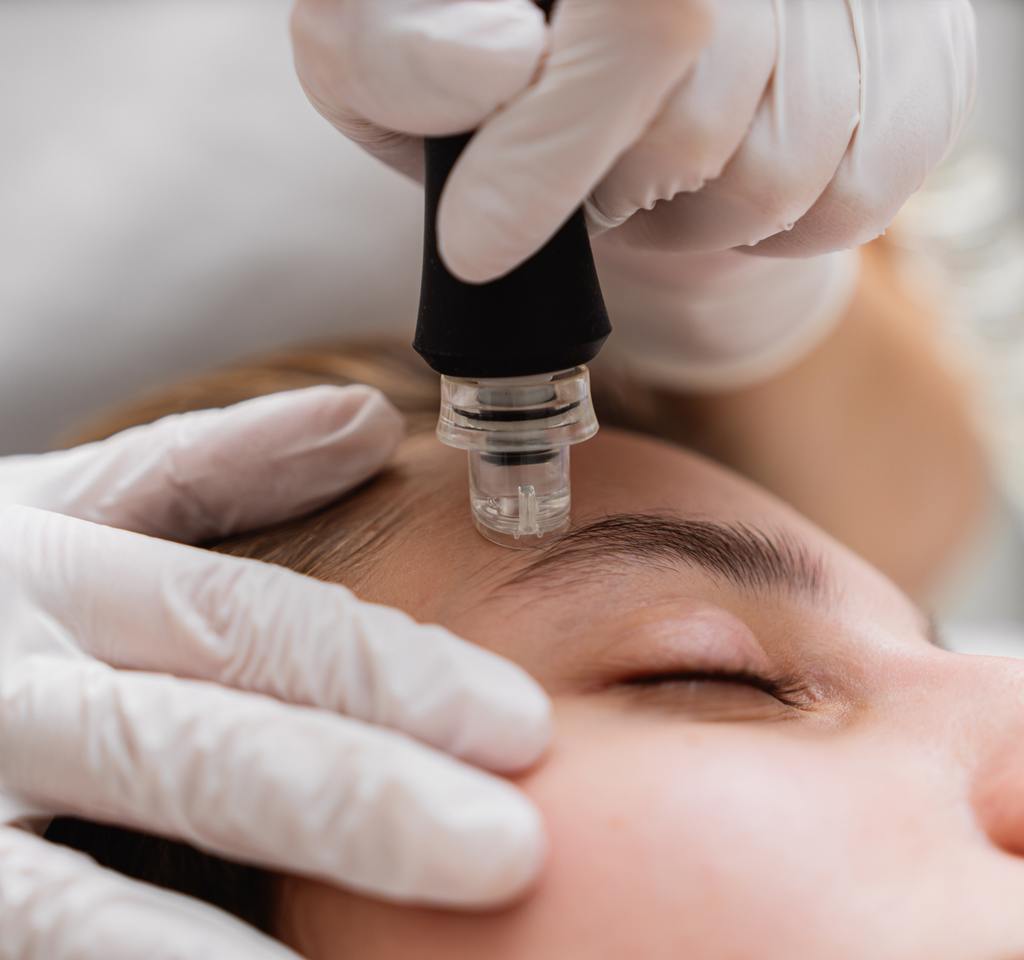
Most clients leave with mild redness, tightness, or a slight tingling sensation that resolves within a few hours. The vast majority return to normal activity the same day with no visible irritation. First-time clients occasionally experience a brief purging phase as congestion works its way out of the skin, and anyone with a sensitivity to serum ingredients may notice a reaction in the days following treatment. The main contraindications include active skin infection, sunburn, recent facial surgery, or an active rosacea flare, all of which warrant a postponed or modified approach. Book your first HydraFacial at least a week before any major event so you know exactly how your skin responds.
After manual extractions and traditional facial care
Traditional facials, particularly those with more aggressive manual extractions, carry a higher likelihood of visible short-term side effects. Localized redness, pinpoint swelling, and small post-extraction marks are common and can last anywhere from same-day to several days depending on how much pressure was used and your skin’s baseline sensitivity. The more inflamed or sensitized your skin is going in, the more pronounced the recovery tends to be. Avoid booking either treatment the day before an important event. A test-run appointment two weeks ahead is a smart move for any new treatment you haven’t tried before.
How to Make the Right Call Before You Book
Choosing between these two treatments gets much easier when you approach the decision with the right questions instead of a gut instinct.
Questions to ask your esthetician before your appointment
Before you commit to any facial treatment, go into the conversation with a few specific questions that set realistic expectations on both sides. Start by identifying what skin concern you’re prioritizing for this particular session. From there, find out whether your skin is currently reactive in a way that might affect results or require a modified approach. Finally, get a realistic sense of how many sessions you should expect before you see a meaningful difference in the concern you care most about. These aren’t skeptical questions; they are exactly what a good esthetician wants you to ask. A provider who answers them clearly is one you can trust with your skin.
Why booking at a spa that offers both treatments gives you an advantage
When a spa offers both HydraFacial and traditional facials, you don’t have to make the decision alone before you even walk in the door. At AURSPA, every client starts with a skin consultation. Your esthetician looks at your skin directly, asks about your goals and your timeline, and recommends the treatment that actually fits. That approach produces better outcomes than booking based on a Google search or what a friend swears by. The right treatment is a conversation, not a guess, and having both options available under one roof means the recommendation is based entirely on what your skin needs right now, not on what the spa happens to specialize in.
HydraFacial vs. Facial: So Which One Is Right for You?
The HydraFacial vs. facial decision isn’t about which treatment is objectively better. It’s about which one fits your skin at this point in time. HydraFacial delivers consistent, standardized results with gentle vortex extraction and serum infusion that produce a reliable glow and measurable improvement in acne-prone skin. A traditional facial offers deeper customization, a more relaxed and sensory experience, and the flexibility to address shifting skin concerns from one month to the next.
Cost and downtime are manageable with either option when your expectations are realistic and your maintenance commitment is consistent. Neither treatment is a one-and-done solution, and neither replaces medical-grade interventions when your skin goals go beyond what a facial can address. The good news is you don’t have to guess which category you fall into.
Book a skin consultation at AURSPA and let us look at your skin first. We’ll tell you exactly which treatment makes sense, what results are realistic for your skin type, and how to build a plan that works for your schedule and your goals. That conversation is free and typically changes the direction of a client’s entire skincare plan.
You May Like

Unlock Radiance: Advanced Skincare & Microneedling at Aurspa
At Aurspa in Middleburg, FL, we believe that skincare is not just a routine. It’s a transformative journey. Nestled in Clay Town Center, our med-spa offers a curated blend of luxurious and clinical-grade treatments to
Reveal Radiant Skin: Chemical Peels at AURSPA Middleburg
Are you looking to rejuvenate your skin and achieve a radiant glow? Chemical peels at AURSPA in Middleburg, FL, offer a transformative solution to various skin concerns, from acne and hyperpigmentation to fine lines and